

BFRB Therapy in Philadelphia
Body-focused repetitive behaviors like hair pulling and skin picking can feel isolating, frustrating, and difficult to stop alone. Lilah Gosman provides compassionate, evidence-based therapy for children, teens, and adults experiencing BFRBs, helping clients better understand these behaviors and build healthier ways of responding.
✔ Evidence-Based Care ✔ In-Person Philadelphia ✔ Children, Teens & Adults ✔ Virtual Pennsylvania & New Jersey
Body-Focused Repetitive Behaviors Are More Common Than You Think
If you find yourself repeatedly pulling your hair, picking your skin, biting your nails, or engaging in other repetitive behaviors that feel difficult to stop, you're not alone. These behaviors, known as Body-Focused Repetitive Behaviors (BFRBs), affect millions of people and are far more than "bad habits" or a lack of willpower. They often develop as a way of coping with stress, uncomfortable emotions, or sensory experiences.
Many people living with BFRBs experience shame, embarrassment, or isolation, especially if they've tried countless times to stop on their own. The good news is that effective, evidence-based treatment can help. With greater awareness, practical strategies, and compassionate support, it is possible to reduce these behaviors and regain confidence in your daily life.

What Are Body-Focused Repetitive Behaviors (BFRBs)?
Body-Focused Repetitive Behaviors (BFRBs) are a group of conditions involving repetitive self-grooming behaviors that can cause physical damage and emotional distress. Common BFRBs include trichotillomania (hair pulling disorder) and excoriation disorder (skin picking disorder), although other repetitive behaviors such as chronic nail biting or cheek biting may also fall within this category.
Unlike habits that people can simply choose to stop, BFRBs are often driven by powerful urges, emotional distress, or sensory experiences. Some people pull or pick when they're feeling anxious or overwhelmed, while others notice the behavior during quiet moments like reading, watching television, or working. For many individuals, the behavior happens automatically before they even realize it.
Although BFRBs can feel frustrating and isolating, they are highly treatable. Evidence-based therapy focuses on understanding what maintains these behaviors while helping you build healthier ways to respond, reducing both the urges and the shame that often accompany them.

Evidence-Based Therapy for Hair Pulling, Skin Picking, and Other BFRBs
Because no two people experience body-focused repetitive behaviors in exactly the same way, therapy begins with understanding what drives your unique pattern. Together, we'll identify the emotional, environmental, sensory, and cognitive factors contributing to your hair pulling or skin picking while developing practical strategies that help you respond differently over time.
Lilah uses evidence-based approaches tailored to your individual needs, including the Comprehensive Behavioral (ComB) Model, a specialized framework for understanding BFRBs, paired with Acceptance and Commitment Therapy (ACT) to help you respond more flexibly to difficult thoughts and urges. Therapy is collaborative, compassionate, and focused on increasing awareness, interrupting automatic behaviors, reducing shame, and creating meaningful, lasting change rather than relying on willpower alone.
✓ Increase awareness
Learn to recognize the thoughts, emotions, sensations, and situations that commonly trigger urges.
✓ Understand your triggers
Identify patterns that keep hair pulling or skin picking going so they become easier to interrupt.
✓ Practice new responses
Develop practical coping skills and healthier ways to respond when urges arise.
✓ Build lasting confidence
Reduce shame, strengthen self-compassion, and create sustainable change that extends beyond therapy.
Specialized Care for Body-Focused Repetitive Behaviors
Trichotillomania (Hair Pulling Disorder)
Trichotillomania is a body-focused repetitive behavior characterized by recurring hair pulling that can affect the scalp, eyebrows, eyelashes, beard, or other areas of the body. Therapy helps you better understand your triggers, reduce urges, and develop healthier coping strategies.
Excoriation Disorder (Skin Picking)
Excoriation disorder involves repetitive skin picking that can lead to tissue damage, scarring, and emotional distress. Evidence-based therapy helps increase awareness, interrupt the cycle of picking, and build new responses that promote lasting change.

Other Body-Focused Repetitive Behaviors
Body-focused repetitive behaviors can also include chronic nail biting, cheek biting, skin rubbing, and other repetitive grooming behaviors. Treatment focuses on identifying underlying patterns, increasing self-awareness, and replacing these behaviors with healthier coping skills.

Meet LilahSpecialized, Compassionate Care from an Experienced BFRB Therapist
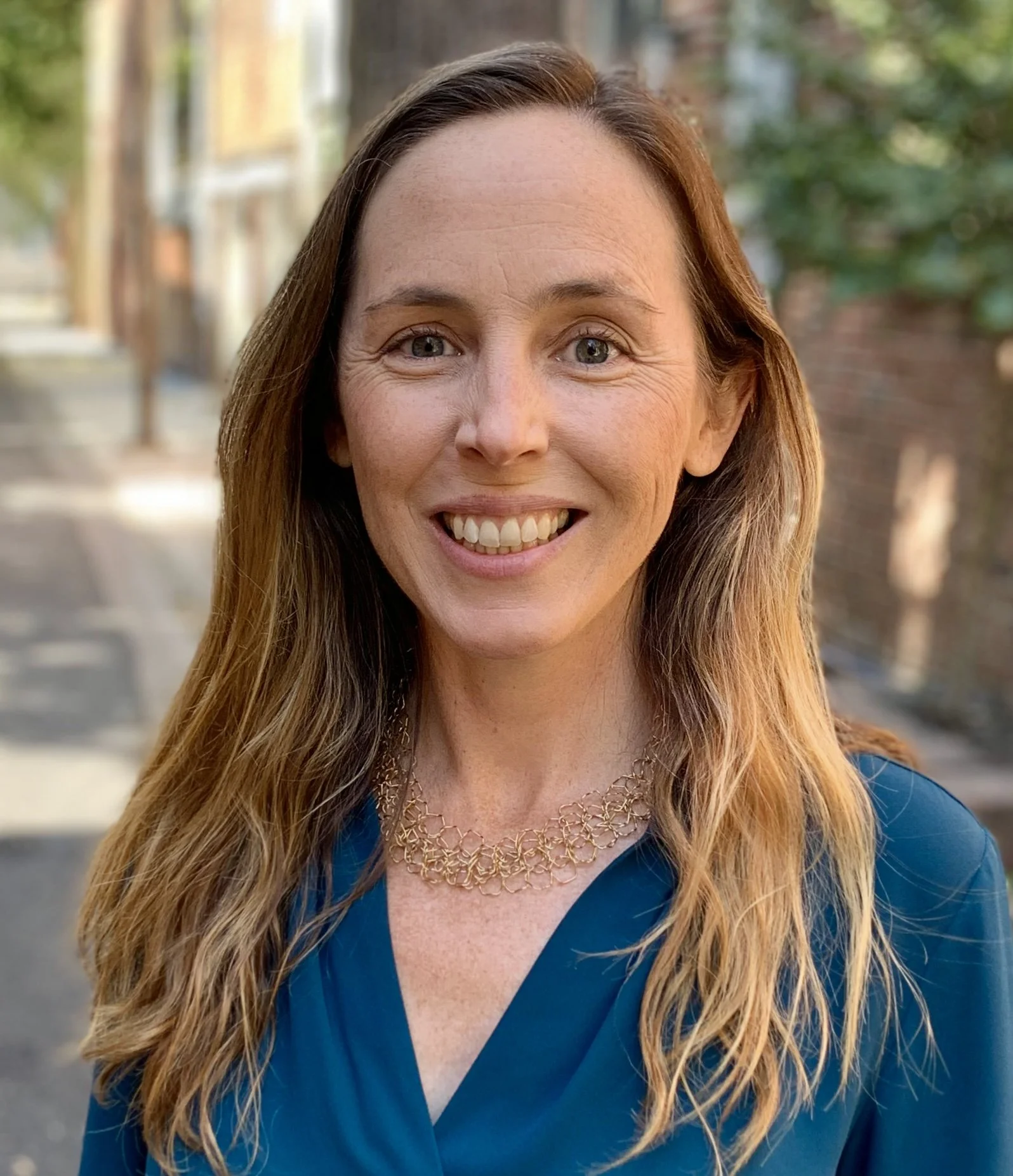
Lilah Gosman, MS Ed, LPC, provides specialized, evidence-based therapy for individuals living with body-focused repetitive behaviors, including trichotillomania (hair pulling disorder) and excoriation disorder (skin picking disorder). She understands that these behaviors are often accompanied by shame, frustration, and years of feeling misunderstood, which is why she approaches every client with compassion, curiosity, and respect.
Lilah completed advanced training through the International OCD Foundation (IOCDF), is an active member of the IOCDF, and serves on the faculty at the University of Pennsylvania, where she helps train future mental health professionals. She works collaboratively with children, teens, and adults to develop personalized treatment plans that build awareness, reduce repetitive behaviors, and support lasting, meaningful change.

-
Body-focused repetitive behaviors (BFRBs) are a group of repetitive self-grooming behaviors, such as hair pulling (trichotillomania) and skin picking (excoriation disorder), that can cause physical damage and emotional distress. These behaviors are not simply bad habits or a lack of willpower. They are recognized mental health conditions that often respond well to evidence-based therapy.
-
Yes. Therapy is one of the most effective treatments for trichotillomania. Treatment focuses on understanding the thoughts, emotions, and situations that contribute to hair pulling while helping you build healthier ways to respond to urges. Many people experience significant improvement with consistent, evidence-based care.
-
Absolutely. Skin picking disorder, also called excoriation disorder, is highly treatable. Therapy can help you recognize triggers, increase awareness of picking behaviors, and develop practical coping strategies that reduce urges while addressing the emotional factors that maintain the cycle.
-
Although OCD and body-focused repetitive behaviors often occur together, they are different conditions. OCD is typically driven by intrusive thoughts and compulsions performed to reduce anxiety, while BFRBs involve repetitive behaviors such as hair pulling or skin picking that are often triggered by urges, emotions, or sensory experiences. A thorough evaluation can help determine the most appropriate treatment approach.
-
Yes. Lilah Gosman provides evidence-based therapy for body-focused repetitive behaviors, including trichotillomania and excoriation disorder, at her Center City Philadelphia office near Rittenhouse Square. Virtual therapy is also available throughout Pennsylvania and New Jersey.
-
Yes. Body-focused repetitive behaviors often begin during childhood or adolescence. Lilah works with children, teens, and adults, tailoring treatment to each person's developmental stage, goals, and unique experiences.
-
For many people, yes. Virtual therapy can be an effective way to receive evidence-based treatment for hair pulling, skin picking, and other body-focused repetitive behaviors. Lilah offers secure online therapy for clients throughout Pennsylvania and New Jersey.
-
If hair pulling or skin picking is causing distress, interfering with daily life, affecting your confidence, or resulting in physical injury, therapy may be beneficial. You don't need to wait until the behavior becomes severe to seek support. Early intervention can help prevent the cycle from becoming more deeply ingrained.
Frequently Asked Questions
Lasting Change is Possible
Hair pulling and skin picking can feel overwhelming, but meaningful change is possible. Lilah provides compassionate, evidence-based therapy to help you better understand these behaviors, reduce their impact, and move forward with confidence.